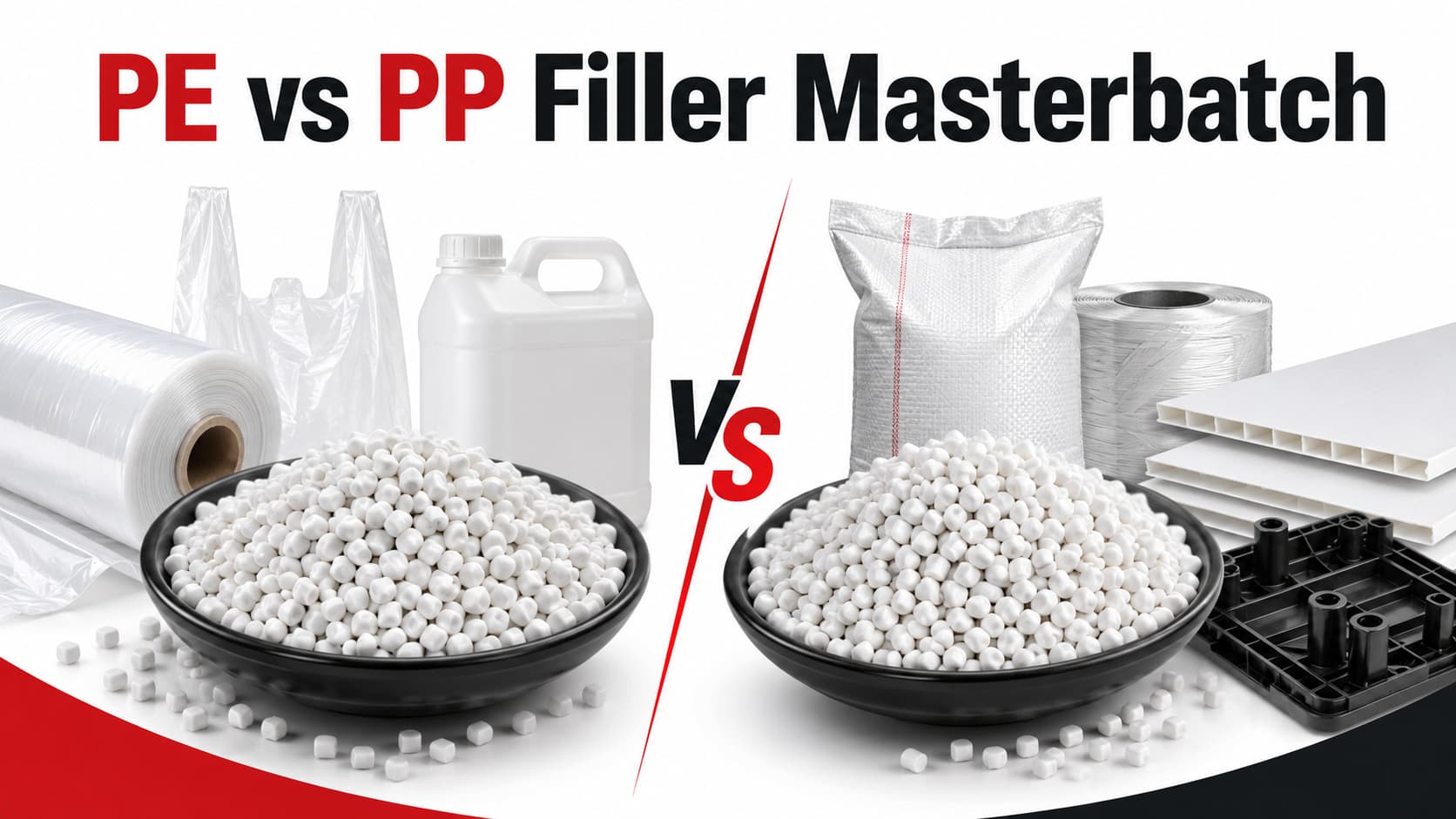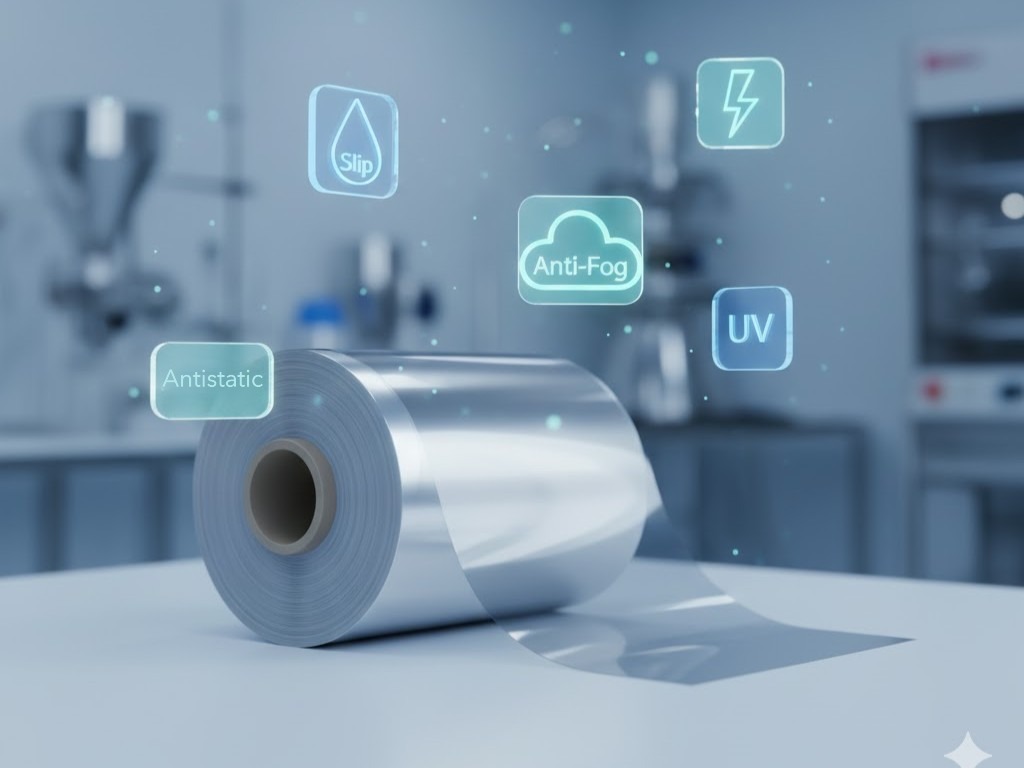
Masterbatch is a concentrated additive blend added during processing (1-5% ratio), while engineering compound is a ready-to-use polymer with additives pre-mixed into the base resin. The choice between masterbatch vs compound determines your production costs, flexibility, and product performance.
Why this matters: Selecting the wrong method can increase material costs by 20-40% or compromise product quality. After working with hundreds of plastic manufacturers, we (EuP Egypt) have identified the key factors that make each approach suitable for specific applications.
What you’ll learn: This guide compares production processes (how each is made), cost implications (when each is more economical), performance differences (dispersion quality and consistency), and practical applications (which industries use what). By the end, you’ll have a clear decision framework based on your production volume, customization needs, and technical requirements.
Let’s break down the critical differences that will impact your manufacturing operations.
1. Understanding Masterbatch and Engineering Compounds

1.1. What is Masterbatch?
Masterbatch is a concentrated pellet containing pigments or filler (CaCO3) or additives encapsulated in a carrier resin. Manufacturers add these pellets to virgin or recycled polymer during the final processing stage—to reduce cost, achieve desired colors or properties.
How masterbatch works in practice:
Imagine you’re producing white plastic bottles. Instead of handling messy titanium dioxide powder, you purchase white masterbatch pellets and mix them with natural HDPE resin at a 2% ratio in your hopper. The extruder or injection molding machine melts and blends everything together during production.
Key characteristics:
- Two-stage process: Masterbatch produced separately, then blended during your manufacturing
- High concentration: Additives are 10-50x more concentrated than needed in final product
- Carrier resin dependent: Works best when carrier matches your base polymer (PE masterbatch for PE products)
- Flexibility: Change colors or properties by adjusting dosing ratios without new formulations
Common types of masterbatch:
- Color masterbatch: Pigments for aesthetic appearance
- Additive masterbatch: UV stabilizers, flame retardants, antioxidants, antistatic agents
- Filler masterbatch: Calcium carbonate filler masterbatch for cost reduction and property modification

1.2. What is an Engineering Compound?
Engineering compound (or polymer compound) is a fully formulated, ready-to-use plastic material where all additives, fillers, and reinforcements are permanently blended into the base polymer. You receive it as finished pellets that go directly into your processing equipment—no mixing or dosing required.
How compound works in practice:
If you’re manufacturing automotive dashboard components, you’d order a specific ABS compound pre-loaded with impact modifiers, UV stabilizers, flame retardants, and colorants at precise concentrations. You simply feed these pellets into your injection molding machine and produce parts with consistent properties batch after batch.
Key characteristics:
- Single-stage use: Material arrives production-ready with all properties built in
- Complete formulation: Base polymer + all additives combined in one pellet (typically 5-40% additive content)
- Precision engineering: Formulated to exact specifications for specific applications
- No dosing equipment needed: Eliminates metering and mixing systems at your facility
Typical formulations include:
- Base polymer: PP, PE, ABS, PC, PA, or engineering resins
- Performance additives: Impact modifiers, heat stabilizers, plasticizers (5-30%)
- Reinforcements: Glass fibers, carbon fibers, mineral fillers (10-40%)
- Functional additives: Flame retardants, conductive fillers, antimicrobial agents (1-20%)
- Colorants: Pigments integrated throughout (0.5-5%)
Industry example: An electronics manufacturer uses flame-retardant PC/ABS compound for computer housings. Every pellet contains exactly 18% glass fiber, 12% flame retardant, and black pigment—ensuring every housing meets UL94 V-0 flammability standards without variation.

1.3. The Fundamental Difference
The core distinction comes down to when and where additives are incorporated:
Masterbatch approach: “I’ll modify my base polymer during production with concentrated additives”
- Additives separate from base resin until final processing
- You control the blending at your facility
- Flexibility to adjust ratios or switch properties
Compound approach: “I’ll buy pre-modified polymer ready for immediate use”
- Additives permanently integrated before reaching you
- Supplier controls the formulation precision
- Consistency and convenience prioritized over flexibility
Think of it like cooking: masterbatch is like adding concentrated sauce to plain pasta (you control the flavor intensity), while compound is like buying pre-seasoned frozen meals (consistent taste, just heat and serve).
This fundamental difference cascades into every aspect of production—from equipment requirements and costs to quality control and inventory management. Understanding this distinction is crucial for making the right choice for your specific application.
2. Key Differences Between Masterbatch and Engineering Compounds
Let’s examine the critical differences between masterbatch vs engineering compound. These distinctions determine which method suits your production requirements, budget, and quality standards.
2.1. Production Process and Manufacturing
- Masterbatch production: The manufacturing process involves dispersing high concentrations of pigments or additives into a carrier resin using twin-screw extruders. The mixture is pelletized and packaged separately from base polymers.
When you’re ready to produce, you dose masterbatch pellets (1-5%) with virgin or recycled resin in your hopper, and the final blending occurs inside your processing equipment during melting.
Key steps: Additive preparation → Melt mixing with carrier → Pelletizing → Storage → Dosing at customer facility → Final blending during processing
- Engineering compound production: Compounding involves feeding base polymer, additives, reinforcements, and colorants simultaneously into specialized compounding extruders (usually twin-screw with multiple feeding zones). All components are melt-blended into a homogeneous mixture, then pelletized as a finished product. You receive pellets that contain everything needed—no further blending required.
Key steps: Raw material preparation → Simultaneous feeding → Melt compounding → Pelletizing → Quality testing → Direct use in molding/extrusion
Critical difference: With masterbatch, you perform the final blending. With compounds, the supplier performs all blending—you just process the finished material.
Equipment implications:
- Masterbatch requires: Dosing equipment (gravimetric or volumetric feeders), separate hoppers, mixing verification systems
- Compound requires: Only standard material handling (single hopper feed system)
2.2. Composition and Formulation
Masterbatch composition: Contains 40-80% active ingredients (pigments, filler, additives) in a carrier resin matrix. The final product uses only 1-5% masterbatch, resulting in 0.4-4% actual additive concentration in molded parts. Limited to simpler formulations due to carrier resin compatibility constraints.
Typical masterbatch loading:
- Color masterbatch: 1-5% (delivers 0.4-2.4% pigment)
- UV stabilizer masterbatch: 2-5% (delivers 0.8-4% stabilizer)
- Filler masterbatch: 5-40% (delivers 1.2-8% filler)
Engineering compound composition: Contains 5-60% additives/reinforcements directly incorporated into the base polymer without dilution. Enables complex multi-additive formulations with precise control over each component.
Typical compound loading:
- PP Glass fiber reinforced: PP + 10-40% glass fiber + additives
- ABS Flame retardant grade: ABS + 12-25% FR agents + impact modifiers
Critical difference: Masterbatch is diluted (high concentration → low usage rate), while compounds contain final-use concentrations of all additives.

2.3. Application Timing in Production
When masterbatch is used: Added at the final manufacturing stage—during injection molding, extrusion, or blow molding. The processor (you) controls when and how much to add. Blending happens in real-time as material melts and flows through processing equipment.
Timing flexibility: You can adjust masterbatch ratios between production runs, during changeovers, or even mid-production (though not recommended for quality reasons).
When compound is used: Used immediately as received—no timing decisions needed. The material is already complete when it arrives at your facility. Simply feed into your equipment like any standard resin.
Timing constraint: Properties are fixed at time of manufacture. Any changes require ordering new compound formulations from your supplier.
Production scenario example:
- Masterbatch user: “Our customer wants slightly darker blue next batch—let’s increase the masterbatch ratio from 2% to 2.3%.” (Immediate adjustment)
- Compound user: “Our customer wants darker blue—we need to order a new compound formulation and wait for production.” (Lead time required)
2.4. Customization and Flexibility
Masterbatch customization:
On-site flexibility: High. You can modify color intensity, property levels, or create custom blends by adjusting dosing ratios or combining multiple masterbatches. Changes happen at your facility without supplier involvement.
Formulation flexibility: Moderate. Limited by carrier resin compatibility and additive concentration ranges. Complex formulations (multiple additives at high loading) become impractical.
Practical examples:
-
- Adjust color depth by changing ratio (2% → 3%)
- Blend two color masterbatches for custom shades
- Add UV masterbatch only for outdoor products
- Switch between transparent and opaque using different fillers
Batch size flexibility: Excellent. Economic for small batches (even 100 kg runs) since you’re only customizing the masterbatch component, not the entire resin inventory.
Engineering compound customization:
On-site flexibility: None. Properties are fixed by the supplier. Any modification requires ordering a new compound formulation.
Formulation flexibility: Extremely high. Compounds can incorporate multiple additives at precise concentrations: flame retardants + impact modifiers + UV stabilizers + glass fibers + colorants—all optimized for compatibility and performance.
Practical examples:
-
- PC/ABS with 15% GF + 12% FR + 8% impact modifier + black pigment
- PP with 20% talc + 3% nucleating agent + 2% antistatic + UV package
- PA6 with 30% glass fiber + heat stabilizers + mold release + specific color match
Batch size flexibility: Best for larger volumes (500+ kg minimum orders typical) due to compounding setup costs and minimum production batches.
Critical difference: Masterbatch offers on-demand flexibility with moderate complexity. Compounds offer maximum complexity with zero on-site flexibility.
2.5. Additive Load and Dispersion Quality
Masterbatch dispersion:
Dispersion quality: Good to excellent for compatible carrier-base resin systems. Quality depends heavily on carrier resin selection—universal carriers work across polymer families but may compromise dispersion compared to matched carriers (PP masterbatch in PP resin).
Additive loading limits: Practical maximum of 3-5% final additive concentration due to carrier dilution effect. Higher concentrations possible but require excessive masterbatch dosing (8-12%), which can affect base polymer properties.
Dispersion challenges:
-
- Carrier incompatibility can cause poor mixing, color streaking, or property variations
- High-viscosity additives may not disperse fully during short processing times
- Inadequate mixing equipment leads to concentration gradients
Best performance: Simple additive systems (single pigment, single additive type) at low to moderate concentrations.
Engineering compound dispersion:
Dispersion quality: Excellent to superior. Twin-screw compounding extruders provide intensive mixing with residence times of 1-3 minutes at high shear rates. All additives uniformly distributed throughout the polymer matrix at molecular level.
Additive loading capacity: Can incorporate 5-60% additives/fillers without dilution concerns. Multiple additive systems (3-5 different additives simultaneously) easily achieved with proper formulation.
Dispersion advantages:
-
- No carrier compatibility issues—additives blended directly into working polymer
- Specialized compounding equipment ensures thorough mixing
- Quality controlled at manufacturing facility before shipping
- Batch-to-batch consistency validated through testing
Best performance: Complex multi-additive systems, high loading requirements (glass fiber reinforcement, high-concentration flame retardants), demanding applications requiring tight property tolerances.
Critical difference: Masterbatch dispersion depends on your processing equipment and parameters. Compound dispersion is guaranteed by the manufacturer using specialized equipment.
Quick Reference Table:
| Factor | Masterbatch | Engineering Compound |
| Processing stages | Two-stage (produce + blend) | Single-stage (direct use) |
| When additives added | During your processing | Before delivery to you |
| Additive concentration | 40-80% in masterbatch → 0.4-4% in product | 5-60% directly in product |
| On-site flexibility | High (adjust ratios anytime) | None (fixed formulation) |
| Formulation complexity | Simple to moderate | Simple to highly complex |
| Dispersion quality | Good (carrier-dependent) | Excellent (guaranteed) |
| Equipment needed | Dosing systems + hoppers | Standard feeding only |
| Minimum batch size | Small (100+ kg) | Large (500+ kg) |
| Change lead time | Immediate | Days to weeks |
These differences directly impact your costs, quality control, inventory management, and production efficiency—factors we’ll explore in the following sections.
3. Application-Based Comparison: When to Use Each Method
The best choice isn’t about which method is “better”—it’s about which method matches your application requirements. A packaging manufacturer running 50 different product colors needs masterbatch flexibility, while an automotive parts supplier demanding consistent impact resistance at -40°C needs compound precision.
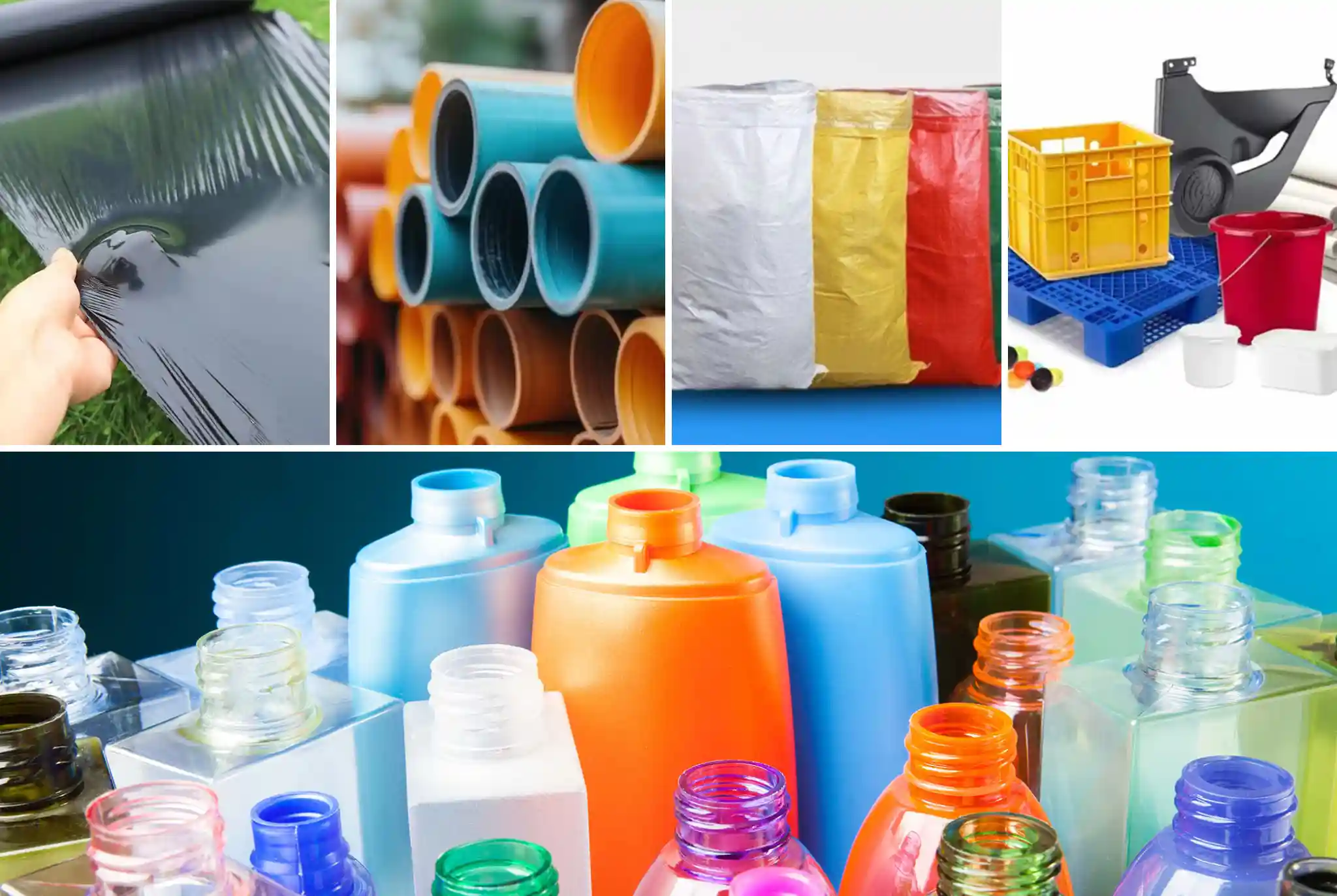
Best Applications for Masterbatch
Masterbatch excels when flexibility, color variety, and cost efficiency matter more than extreme performance or formulation complexity.
Packaging Industry
- Plastic films (LDPE, LLDPE shopping bags, stretch wrap, agricultural films)
- Bottles and containers (HDPE milk jugs, PET beverage bottles, PP food containers)
- Caps and closures (various colors, tamper-evident features)
- Flexible packaging (pouches, sachets, stand-up bags)
Consumer Goods and Household Products
- Toys and recreational items (colorful, non-critical performance)
- Storage containers and organizers (Tupperware-style products)
- Hangers, clips, and household accessories
- Garden furniture and planters
- Cleaning tool handles and housewares
Injection Molded Parts (Short to Medium Runs)
- Promotional items and branded merchandise
- Seasonal products (holiday decorations, seasonal tools)
- Prototypes and low-volume production
- Customized products with frequent color changes
- Non-structural components
Extrusion Applications
- Pipe and profile extrusion (PVC, PE pipes in various colors)
- Sheet extrusion (thermoforming sheets, signage)
- Wire and cable coating (color-coded electrical cables)
- Monofilament and fiber production
Best Applications for Engineering Compounds
Engineering compounds excel when performance consistency, complex formulations, and technical specifications outweigh flexibility needs.
Automotive Components
- Interior parts (dashboards, door panels, center consoles, trim pieces)
- Exterior components (bumpers, fenders, mirror housings, grilles)
- Under-hood parts (air intake manifolds, engine covers, fluid reservoirs)
- Structural components (seat frames, pillar reinforcements)
- Electrical housings (sensor enclosures, connector bodies)
Electrical and Electronics
- Consumer electronics housings (laptops, monitors, appliances)
- Electrical enclosures and junction boxes
- Connectors and terminal blocks
- Circuit breaker components
- LED lighting housings and fixtures
Industrial Components and Machinery Parts
- Gears, bearings, and mechanical components
- Pump housings and valve bodies
- Industrial tool housings
- Material handling components (conveyor parts, rollers)
- Agricultural equipment parts
Construction and Building Materials
- PVC pipes and fittings (pressure pipes, drain systems)
- Window and door profiles
- Cable trays and conduits
- Roofing membranes and sheets
- Decking and railing systems
Medical and Healthcare Applications
- Medical device housings (diagnostic equipment, monitors)
- Pharmaceutical packaging (blister packs, bottles)
- Laboratory consumables (test tubes, petri dishes)
- Hospital furniture components
- Sterilizable instrument trays
High-Performance and Specialty Applications
- Aerospace components (interior panels, brackets, ducts)
- Military and defense equipment
- Sports and recreation high-performance gear
- Industrial safety equipment
- Specialized technical parts
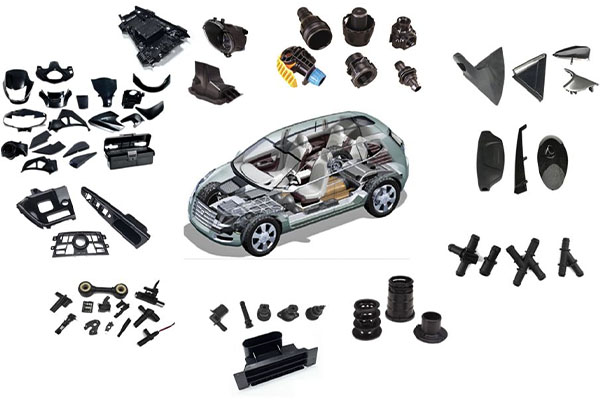
4. Masterbatch or Engineering Compound? How to Choose the Right Option
Choosing between masterbatch and engineering compound isn’t always straightforward. Both can improve your product, but they serve different needs. The right choice depends on what you’re making, how you produce it, and what level of performance you expect.
If your production changes often—different colors, additives, or product lines—masterbatch usually fits better. You only adjust the dosage, so you can switch quickly without carrying too much inventory. This is especially helpful if you run short batches, test new products, or need flexibility from week to week.
Engineering compounds work best when you need strength, stability, or very specific mechanical properties. Because the material is fully formulated, you get consistent results every time you run it. That consistency matters in parts that must meet strict performance standards, such as automotive components, household appliances, or industrial goods.
Cost also plays a role. Masterbatch often gives you a lower cost per batch when you need variety. Engineering compounds may cost more per kilogram, but they save time and reduce errors in long, stable production runs.
To decide, ask yourself a few simple questions:
- Do you need flexibility or fixed performance?
- Are you running short batches or long, continuous runs?
- Is color or additive variation common in your plant?
- How important are mechanical strength and dimensional stability?
- Do you prefer to control the final mix yourself, or do you want a ready-made material?
When you look at your answers, the right option usually becomes clear. Masterbatch gives you agility. Engineering compounds give you reliability. The best choice is the one that aligns with your production style and the demands of your final product.
5. Choosing a Reliable Material Partner: What EuP Egypt Offers
Selecting the right supplier is as important as choosing between masterbatch and engineering compound.

At EuP Egypt, we specialize in both product families, giving manufacturers the flexibility to choose the most suitable solution for their application:
Masterbatch portfolio:
EuP Egypt manufactures a full portfolio of filler masterbatch, color masterbatch, and functional additive masterbatch, engineered for:
- Stable dispersion and uniform film quality
- Lower energy consumption and improved throughput
- Enhanced optical, mechanical, and processing properties
- Compatibility with PE, PP, and other common resins
Engineering compounds:
For applications requiring structural integrity and consistent mechanical strength, EuP Egypt produces engineering compounds such as:
- PP/ABS/PC/HIPS/PA Glass Fiber Compound (10–40% GF)
- PP/ABS/PC/HIPS/PA Talc Compound (10–40% talc loading)
- Impact-modified PP compounds
- Customized formulations for stiffness, heat resistance, impact strength, dimensional stability
These compounds are engineered using advanced compounding technology to ensure:
- Homogeneous filler dispersion
- Controlled melt flow behavior
- Enhanced reinforcement efficiency
- Repeatable performance across large production batches
Because EuP Egypt supplies both modular masterbatch systems and ready-to-use engineering compounds, our technical team can objectively recommend the solution that best fits:
- The product’s mechanical requirements
- Production process (injection, film, extrusion, blow molding)
- Target cost structure
- Regulatory or environmental constraints
- Stiffness/impact balance, thermal stability, or long-term durability
This integrated approach ensures that manufacturers do not need to choose blindly between masterbatch and compound—EuP Egypt applies technical evaluation to propose the most efficient and performance-optimized formulation for each use case.
6. Frequently Asked Questions (FAQ)
What is the difference between masterbatch and compound?
Masterbatch is a concentrated additive mixture (40-80% pigments or additives) in carrier resin that you add at 1-5% during processing. Engineering compound is a ready-to-use plastic material with all additives already blended into the base polymer at final concentrations.
The key difference: masterbatch requires two-stage processing (dosing + melting), while compound is single-stage (direct processing). Masterbatch offers flexibility to adjust properties on-site; compound provides consistent pre-formulated material.
Can you mix masterbatch with compound?
No, you should not mix masterbatch into compound. Compounds are complete formulations—adding masterbatch alters their balanced properties and may void certifications.
However, you can use both methods in the same facility for different products. Many manufacturers use compound for performance-critical parts and masterbatch for aesthetic components requiring color variety. This hybrid approach optimizes cost and performance.
Can masterbatch achieve the same properties as compound?
Masterbatch works well for simple formulations but cannot replicate complex compound properties.
Masterbatch can achieve:
- Color and aesthetic effects
- Basic additives (UV, antioxidants) at 2-5% loading
- Simple fillers (calcium carbonate, talc) at 5-15%
- Single functional additives
Masterbatch limitations:
- Cannot deliver 20-40% glass fiber reinforcement
- Cannot uniformly disperse multiple high-loading additives
- Cannot achieve complex engineering properties (high-performance compounds)
- Carrier compatibility limits formulation options
When masterbatch insufficient: Automotive structural parts, flame-retardant electronics, fiber-reinforced industrial components, medical-grade materials—these require compound’s precise multi-additive formulations.
When should I use masterbatch?
Use masterbatch when you need:
- 10+ color or formulation variations
- Production batches 100-5,000 kg
- Frequent product changes or custom colors
- Simple formulations (color + basic additives)
- Cost savings priority (10-15% lower material cost)
- Quick turnaround for new colors (days vs weeks)
Best applications: Packaging, consumer goods, promotional items, short-run injection molding, extruded films and profiles.
When should I use engineering compound?
Use engineering compound when you need:
- Complex formulations (3+ additive types, reinforcements >10%)
- Tight performance specifications and certifications
- High production volumes (300+ tons/year consistent formulation)
- Safety-critical or regulated applications
- Superior batch-to-batch consistency
- No equipment investment budget
Best applications: Automotive parts, electronics housings, industrial components, medical devices, construction materials, flame-retardant products.
Can masterbatch replace engineering compounds in high-performance parts?
Not always. Masterbatch can modify color, processing, or surface properties, but it can’t offer the same level of reinforcement as a glass-fiber or mineral-filled compound. If your product needs stiffness, impact strength, heat resistance, or long-term durability, a compound usually performs better.
7. Conclusion
Choosing between masterbatch and engineering compound isn’t about which one is “better.” It’s about which one fits the way you work and the performance your product needs.
If your production demands flexibility, frequent changes, or cost control across many variations, masterbatch gives you the freedom to adjust quickly. If your parts require strength, consistency, and long-term reliability, engineering compounds deliver the stability you need.
The real goal is to match the material to the job. Look at your product requirements, your processing conditions, and how your factory operates day to day. When you understand those factors, the right option becomes much easier to see.
For many manufacturers, the most effective approach is a mix of both: masterbatch for color, functional additives and cost reduction, and engineering compounds for components that carry mechanical load or need extra reinforcement.
With the right partner and the right formulation, you can improve product quality, reduce waste, and make your production line run more smoothly—whether you choose masterbatch, engineering compound, or a combination of both.
If you need technical guidance or a custom formulation, feel free to contact EuP Egypt!